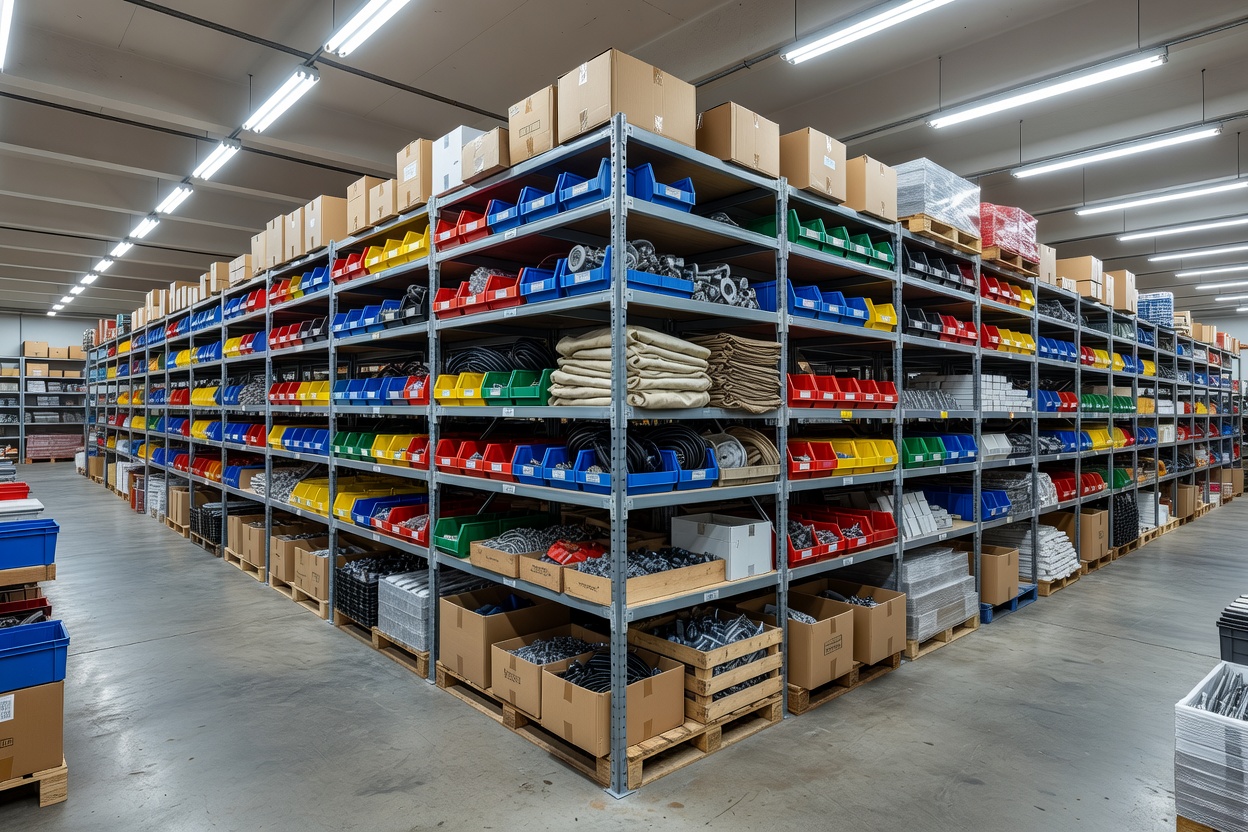
01 / PREDICT
Demand forecasting
Estimate what customers may need using orders, seasons, promotions, lead times and changing market signals.
Read the guideINTELLIGENT LOGISTICS LAB
A practical journal about how artificial intelligence can help move goods, manage stock and make everyday logistics decisions a little less guessy.
Explore demand forecasting, route planning, warehouse automation, inventory and operational analytics—with the limits explained, too.

THE FIELD GUIDE
Each guide starts with the real-world problem, then looks at where algorithms can help—and what still needs a person.
01 / PREDICT
Estimate what customers may need using orders, seasons, promotions, lead times and changing market signals.
Read the guide
02 / PLAN
Balance distance, delivery windows, traffic, capacity and service needs when planning a fleet’s day.
Read the guide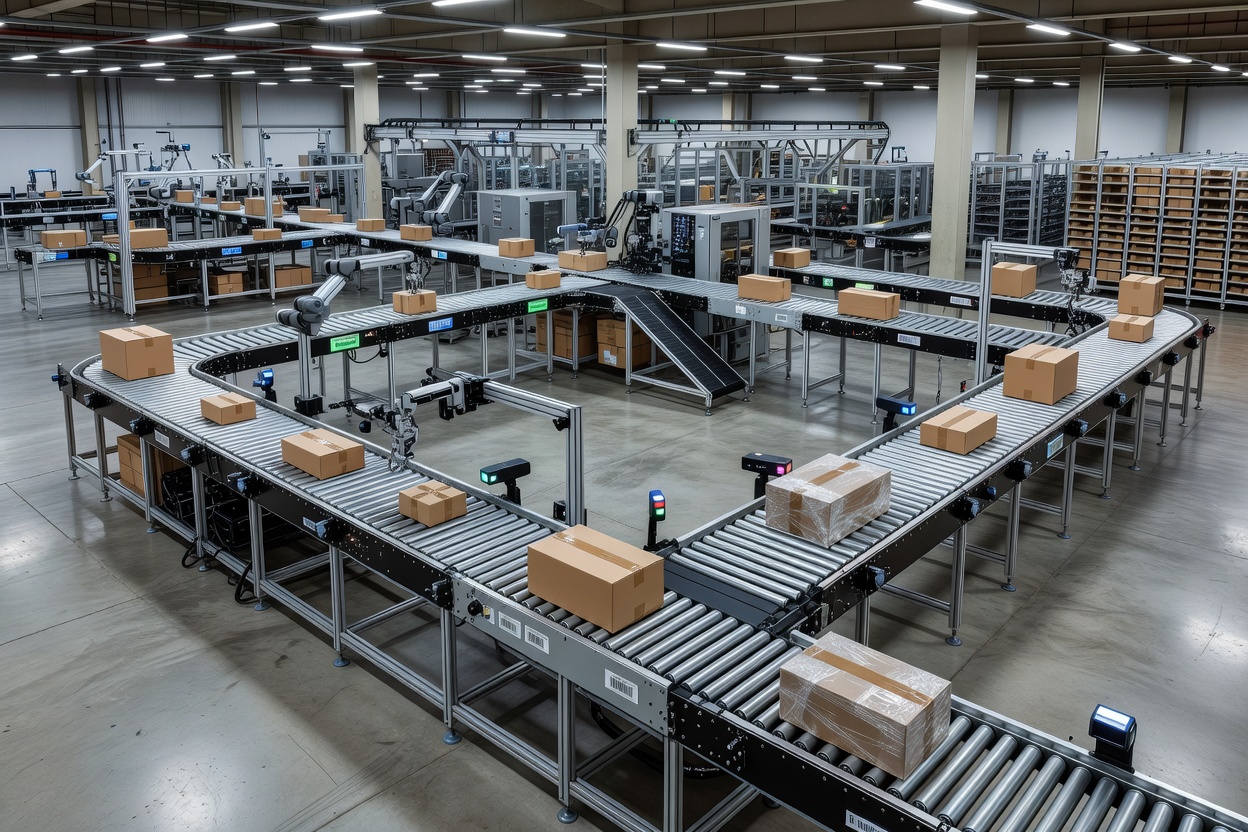
03 / STORE
Understand robots, automated storage, computer vision and the systems that coordinate warehouse work.
Read the guide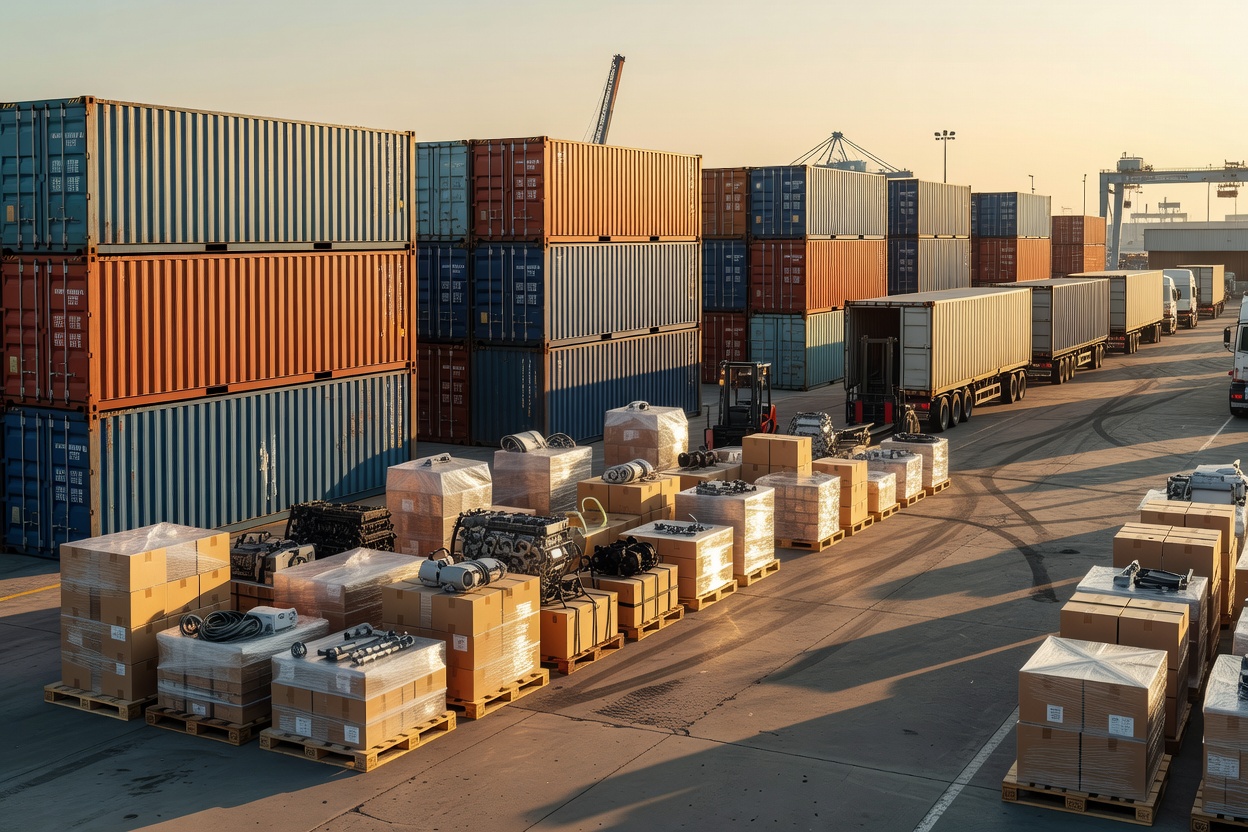
04 / REPLENISH
Set sensible stock and replenishment policies while accounting for uncertainty, suppliers and working capital.
Read the guide
05 / MEASURE
Turn connected operational data into clearer views of delays, service, bottlenecks and performance.
Read the guideFROM DATA TO DELIVERY
These are connected decisions, not isolated software boxes. A useful forecast shapes stock needs; stock readiness influences warehouse work; dispatch affects transport; measurement helps teams learn what to adjust next.
Estimate demand and make uncertainty visible.
Turn expected needs into feasible schedules.
Position goods and coordinate warehouse tasks.
Dispatch orders through practical transport plans.
Review outcomes and improve the next decision.

A SYSTEM, NOT A MAGIC BUTTON
A forecast is only useful if planners can act on it. A route is only workable if the right goods are ready. Analytics only help when people can connect a signal to an operational choice.
Explore logistics analytics →A PRACTICAL NOTE
AI can sift through patterns and support decisions, but it depends on suitable data, clear objectives and real operating constraints. A model may flag a likely shortage; a planner still needs to judge supplier reliability, capacity and customer priorities.
Demand changes, records contain errors and unusual events happen. Good operations make room for model uncertainty, exception handling and human review. The sensible question is not “Can AI decide everything?” but “Which decision can it help us make more clearly?”
Ask a question →